

Disclosure: This website contains affiliate links, which means we will receive a commission if you purchase through the same.
Lake Bled: A corner of Slovenian paradise, far from the hustle and bustle
Lake Bled , a small marvel nestled in the Julian Alps, combines everything that attracts dreamers seeking a change of scenery: crystal-clear water, a mysterious islet, and a medieval castle perched on its cliff. Yet, this picture-postcard landscape remains remarkably untouched by mass tourism, even in 2025 when the call of slow tourism is becoming increasingly urgent.
One of its main charms lies in its lakeside promenade. Ideal for walking or cycling, this loop of a few kilometers offers exceptional views at every turn. Yet, there’s no rush: here, time slows down and tranquility prevails.
Among the top activities, it’s hard to resist a ride in a pletna – these traditional boats rowed by experienced oarsmen. A trip to Bled Island is like stepping into a fairytale, especially when the church bell gently chimes in the cool morning air. History buffs and photographers will also enjoy Bled Castle , whose panoramic terrace offers a breathtaking view of the entire site and the surrounding mountains.
- Walk or bike ride around the lake
- Boat trip to Bled Island
- Visit to the medieval castle
- Tasting of the “kremšnita”, a famous local pastry
- Peaceful swimming or rowboat rental in summer
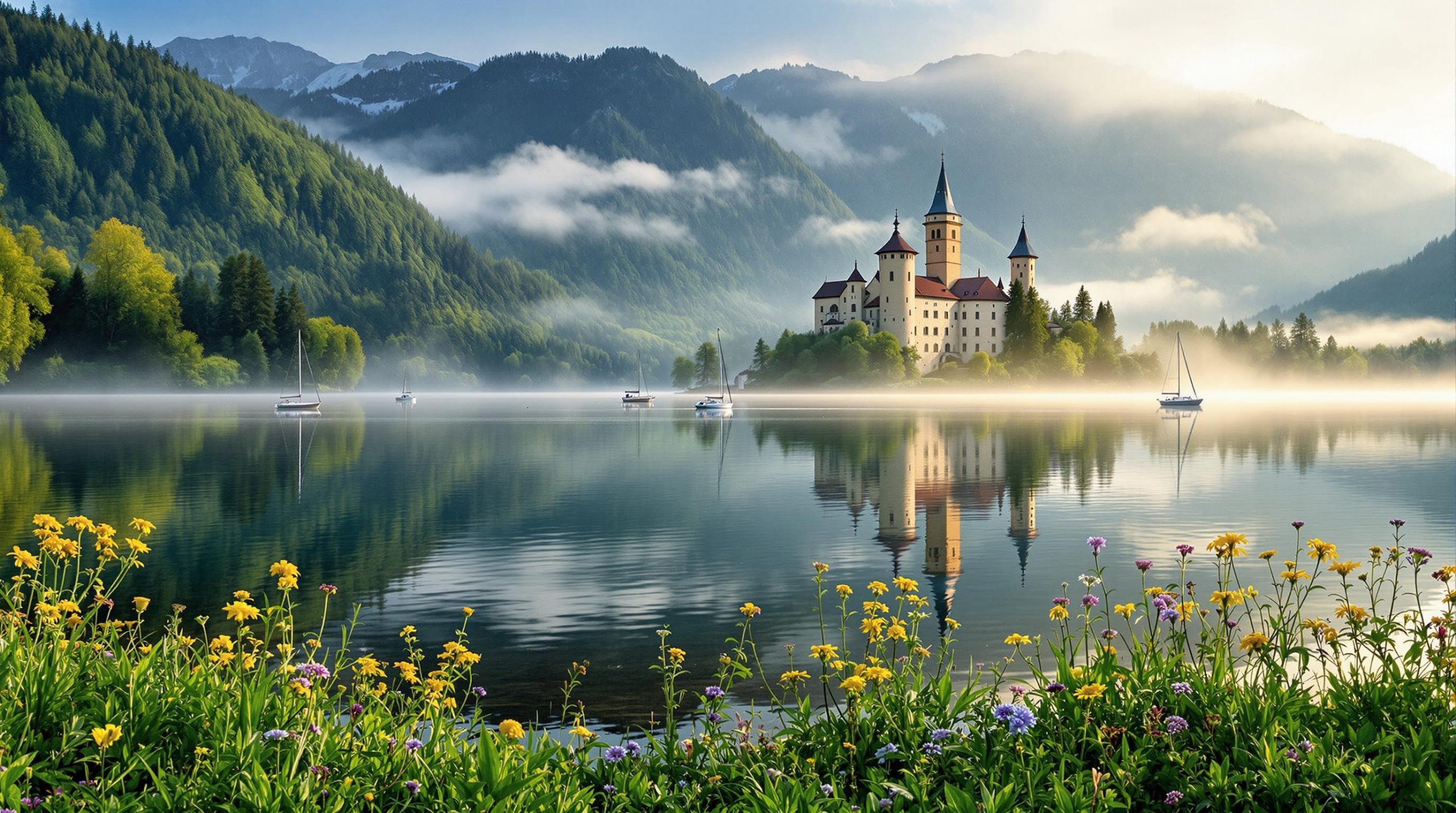
Small groups of curious visitors, early morning cyclists, lovers seeking romance… On the shores of the lake, a sense of intimacy lingers. Even during the summer season, most tourists stick to the classics, leaving Bled in its gentle tranquility. It’s also a perfect starting point for exploring the neighboring Slovenian valleys, savoring the local cuisine, and discovering a way of life where gentleness and discretion reign. The contrast with major European destinations is striking: here, there’s no background noise, no hustle and bustle. The starry nights and misty dawns invite contemplation.
Lake Bled: An example of ecotourism and respect for the environment
In terms of sustainable tourism, Bled is a pioneer. The management of visitor flows, the preservation of biodiversity, the promotion of short supply chains and the development of gentle activities (kayaking, hiking, birdwatching) ensure a harmony between visitors and nature.
For example, the vast majority of accommodations work with local suppliers, thus reducing their carbon footprint. Many restaurants showcase regional products (lake trout, organic vegetables from surrounding farms, local wines). This approach is praised by environmentally conscious travelers, drawn by the Slovenian eco-label .
- Accommodation providers’ participation in the Green Scheme of Slovenian Tourism
- Sustainable management of visitor numbers to preserve the natural balance
- Enhancing hiking trails and cycle paths
- Initiatives to raise awareness about cleanliness and respect for the site
For those seeking to recharge away from the crowds, Lake Bled embodies this new way of travelling: slower, more conscious, yet just as exotic.
What next Mediterranean secret awaits exploration? Let’s head to Sintra, one of Portugal’s hidden gems, undiscovered by mass tourism
Sintra: Between fairytale palaces and mystical mist in Portugal
Sintra seems to have been designed for lovers of mystery and legend. Just outside Lisbon, the town envelops its visitors in an enchanting atmosphere, where lush nature blends with extravagant palaces. A UNESCO World Heritage Site, Sintra attracts those seeking a different kind of European experience.
Some know the name, but few take the time to delve into its depths. Sintra’s architectural diversity and originality are immediately striking. The Pena Palace , the quintessential romantic castle, perched atop a misty hilltop, is impossible to miss. Vibrant colors, turrets, and battlements create a timeless setting, inspired as much by fairy tales as by royal fantasies.
- Pena Palace: A palette of colors and aesthetic influences
- Quinta da Regaleira, a mysterious estate with initiation wells
- The Moorish castle, a medieval fortress overlooking the town
- Lush parks and gardens to explore on foot
- Old alleyways and pastry shops where you can taste the “travesseiros” of Sintra
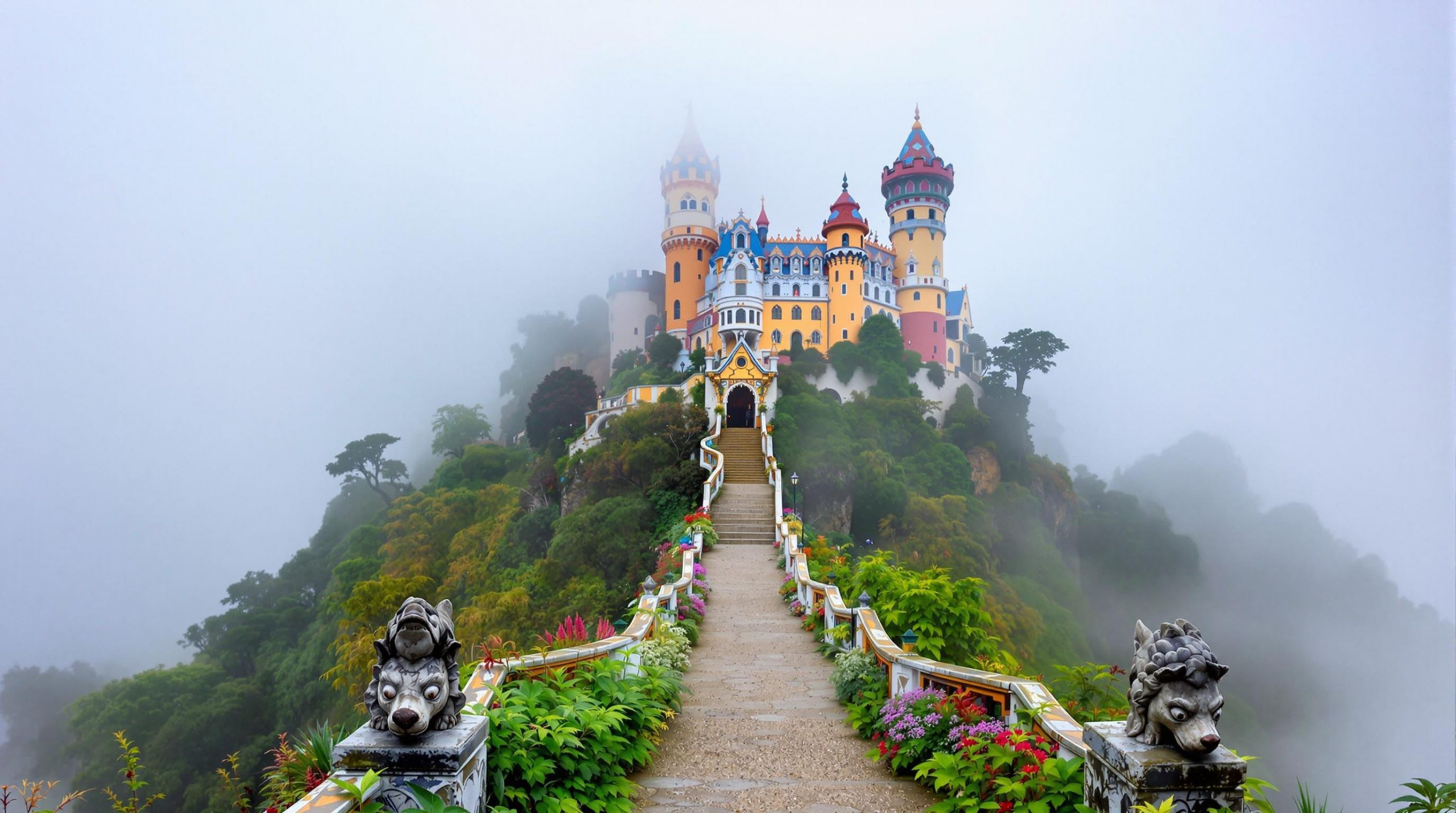
Quinta da Regaleira is another must-see, with its labyrinthine gardens and its famous initiatory well that seems to plunge into the earth’s depths. The site blends esoteric history, Masonic symbolism, and abundant nature. Wandering through its paths is like stepping into a Portuguese Gothic novel, where every detail holds a mystery.
The Moorish Castle , for its part, offers a spectacular panorama of Sintra and the Atlantic coast. Climbing its restored ramparts allows you to physically experience the history of the Reconquista and the influence of successive civilizations on the region. Few foreign travelers still bother to make the climb, preferring the smooth, well-marked streets of the town center. Yet, the effort is amply rewarded by the feeling of overlooking a landscape frozen in time.
Sintra: A way of life combining gastronomy, nature and heritage
Besides its palaces and gardens, Sintra captivates with its vibrant rhythm of life. Merchants, artisans, and artists fill the narrow streets with color and flavor. In the small restaurants, traditional recipes endure through the seasons: local vegetables, grilled fish, and sweet treats. Italian, Moorish, and Iberian influences permeate every corner.
- Artisan potters
- Independent bookstores and galleries
- Local producers’ market
- Small family-run cafes with terraces
Less frenetic than Lisbon, Sintra attracts those who embrace the slow life and seek to reconnect with nature. The surrounding forests are crisscrossed with secluded trails, perfect for immersing yourself far from the urban bustle. Whether it’s a day trip or an extended stay, the enchantment is undeniable. The capricious weather—mist, drizzle, fleeting sunshine—accentuates this feeling of escape, far from the hustle and bustle of Portugal’s major tourist destinations.
Planning your next adventure? Why not head to the Netherlands to discover a village where water replaces the road…
Giethoorn: A Dutch village where people sail instead of drive
Imagine a place where asphalt is scarce, where cars give way to boats and bicycles. Giethoorn , nicknamed the “Venice of the North,” is a maze of waterways, wooden bridges, and thatched cottages. A picture-perfect setting that, surprisingly, remains far removed from the tourist overcrowding that plagues so many other Dutch gems.
In this village in the northern Netherlands, travel is done the old-fashioned way: boarding a silent boat, gliding along the flower-lined canals, and greeting the locals tending their gardens. With each crossing, the feeling of stepping into a Flemish painting intensifies. Cobblestone streets are few and far between, and a relaxed, rural atmosphere pervades the day.
- Boat or canoe trips on the canals
- Discover the typical thatched-roof houses
- Relaxing in the waterfront cafes
- Visit to museums dedicated to local history and traditional way of life
- Exploring the neighboring hamlets and tulip fields by bicycle
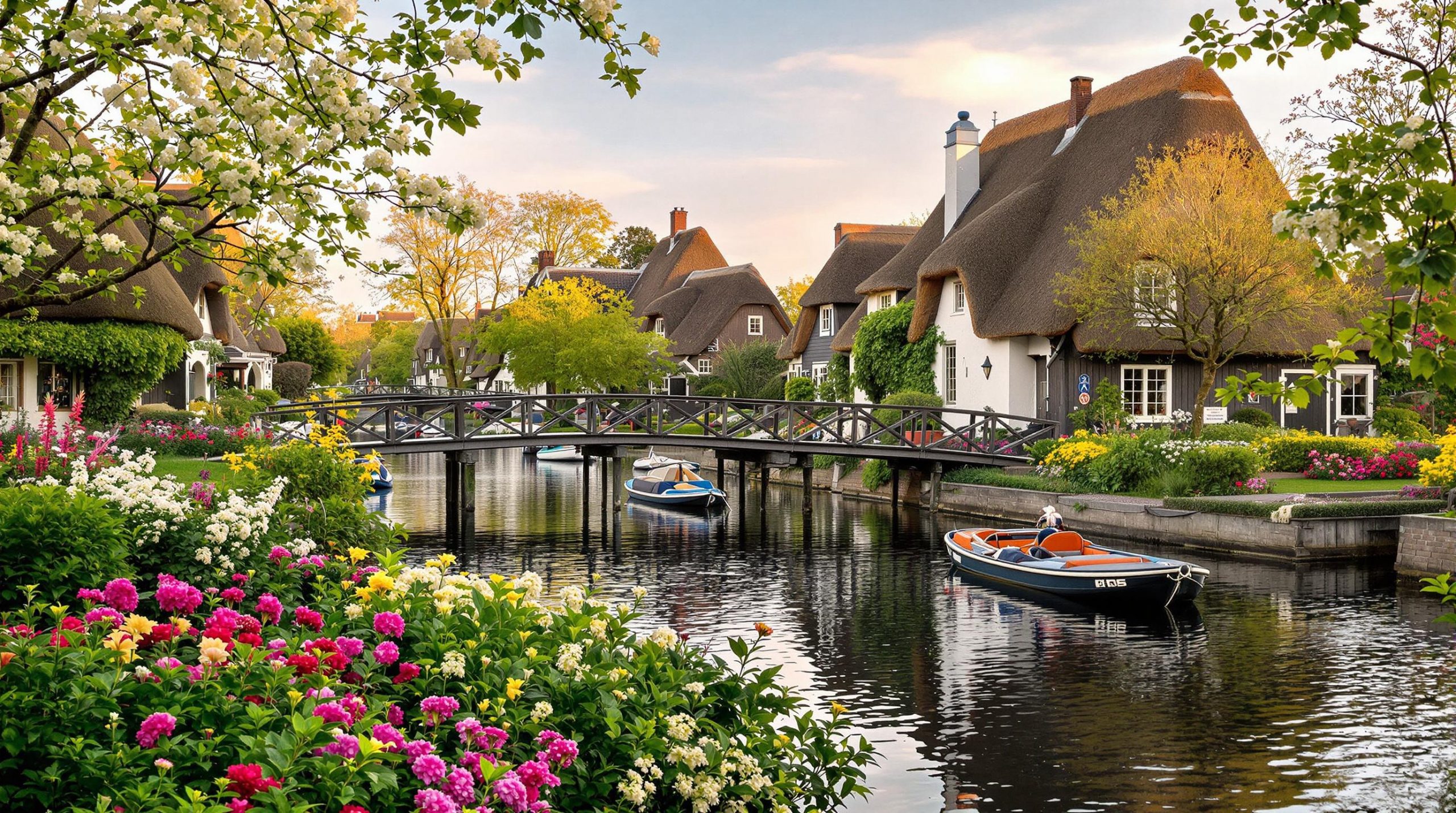
Few European villages offer such a timeless experience. In Giethoorn, the sound of engines is replaced by the lapping of water and birdsong. Even in the summer months, tranquility prevails, especially outside of peak weekends. The availability of small, intimate accommodations, far removed from mass-market hotels, further enhances this sense of letting go.
The locals, proud of their identity, maintain a strong sense of hospitality. Many of these family homes welcome travelers for a complete immersion in the local way of life. Far from the crowds of tourists, most visitors here take the time to soak it all in, chat with a neighbor, and enjoy Dutch pie on a terrace overlooking the water.
Giethoorn: An example of gentle and responsible tourism
The delicate balance between preservation and tourism has allowed Giethoorn to retain its pristine character. The municipal authorities are careful to restrict motorized traffic in the town center and encourage the use of electric or non-motorized boats.
- Signs raising awareness about the tranquility of the area
- Introduction to respecting the canals by visitors
- Organization of traditional village festivities
- It is impossible to “get lost” thanks to the ring-like structure of the main canal.
Another advantage is its proximity to nature reserves, ideal for numerous walks or bike rides, allowing you to discover the wildlife of the northern Netherlands. Giethoorn is also the perfect starting point for exploring another side of the Netherlands, far from Rotterdam or Amsterdam.
For lovers of breathtaking panoramas, head south to Europe, to an Andalusian city clinging to its rock for centuries: Ronda.
Ronda in Andalusia: Drama and beauty on a vertiginous bridge
In southern Spain, Ronda stands at the crossroads of history and the sublime. Perched atop a gorge over a hundred meters deep, the city captivates at first sight with its monumental Puente Nuevo . This spectacular bridge, completed in the 18th century, connects two distinct neighborhoods in a theatrical setting, offering breathtaking views of the Andalusian countryside. Learn more about your trip to Andalusia right here.
- The Puente Nuevo, an architectural marvel overlooking the precipice
- The bullring of Ronda, cradle of Spanish bullfighting
- Walks along the ramparts for sensational views
- Historic districts with an authentic Andalusian atmosphere
- Restaurants and bodegas where you can discover local produce
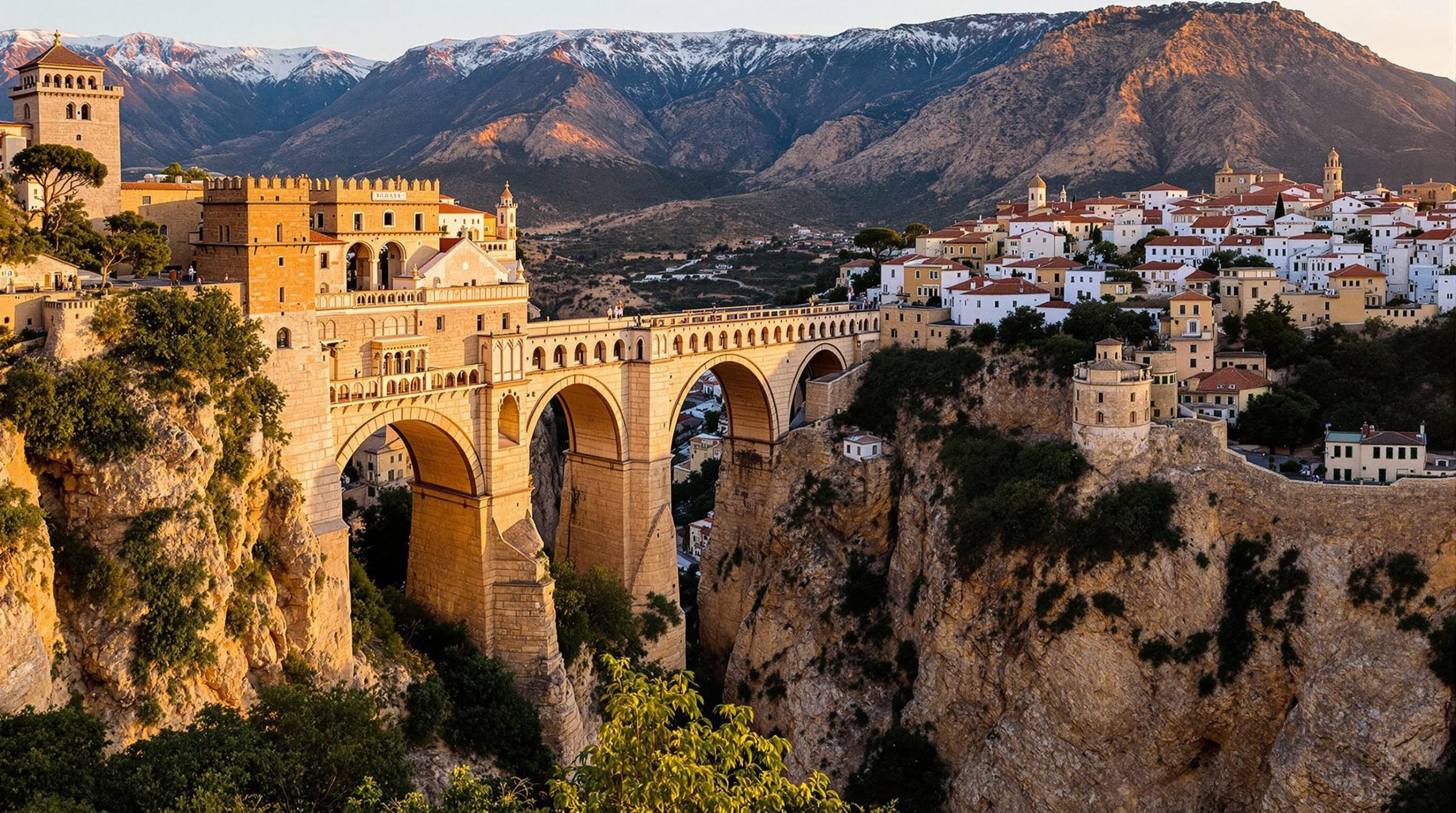
The old town and the modern quarter face each other, as if to better recall the upheavals of history. Ronda has lost none of this distinction, and it is undoubtedly this singularity that protects it from mass tourism. Visitors mingle on steep paths that lead to breathtaking panoramas, or in the bullring, among the oldest and most prestigious in Spain.
In the narrow streets, an authentic atmosphere prevails: flower-filled balconies, small squares bustling in the evening, whitewashed walls. Far from the artificial rusticity of some “Instagrammable” villages, here one senses a profound vitality, nourished by its inhabitants as much as by the centuries-old stone.
Ronda: Between Spanish legends, culture and nature
Ronda is a key destination for anyone wishing to understand the Andalusian soul. A welcoming city for many writers, it was a refuge for Hemingway and Orson Welles. Literature and cinema have further fueled its mystique, and many come to walk in the footsteps of these figures.
- Libraries and museums dedicated to local history
- Temporary exhibitions focusing on the arts and bullfighting
- Hiking in the Serranía de Ronda, vast wild spaces
- Guided tours about the lives of the bandoleros (famous brigands of the region)
Just a few kilometers away, trails wind through a lesser-known Andalusia: deep gorges, pine forests, and perched white villages. Those who venture off the beaten path discover a population proud of its culture, happy to share tapas, childhood memories, and garden secrets. In 2025, as Spain experiences a new tourism boom, Ronda remains a haven of peace for those who know how to linger, far from the major resorts.
The journey of the curious traveler continues in Aragon, in search of a forgotten medieval city: heading towards Albarracín.
Albarracín: A sleepless medieval treasure in the heart of Aragon
Albarracín resembles a frozen scene, suspended between the Middle Ages and modernity. Dominating an arid valley in central-eastern Spain, this village, ranked among the most beautiful in Spain, impresses with its ochre-colored houses, its winding ramparts and its unusual tranquility.
It is accessed via winding roads, then the labyrinth unfolds: cobbled alleyways, carved wooden balconies, secret staircases leading to breathtaking viewpoints. Little known outside of a select few, Albarracín cultivates this rare blend of timelessness and openness.
- Preserved historic center, listed and protected
- Medieval wall winding up the hill, accessible to hikers
- Small churches and quiet squares, ideal for strolling in the sun
- Local crafts (leather, ceramics, lace)
- Hiking trails to nearby nature parks

The atmosphere of Albarracín is captivating in its simplicity and authenticity. As the days go by, you fall into the village’s rhythm: peaceful mornings on a café terrace, siestas in the shade of the plane trees, evening strolls along the ridge to watch the sunset. Tales of knights emerge from every corner. It’s hard not to be touched by the kindness of the locals, quick to recount the legend of the Moorish lords or to invite you to share a convivial moment.
Albarracín: A living heritage, at the crossroads of culture and silence
If you’re looking for a definition of tranquility, look no further. No overcrowded buses or crowds of tourists seeking selfies: Albarracín invites silence, contemplation, and quiet exploration. Every stone, every beam speaks of the past, but nothing is static. On the contrary, festivals, craft workshops, and fairs punctuate the local calendar.
- Medieval festival every autumn, bringing the whole town together
- Craft workshops and courses open to the curious
- Guided excursions in the surrounding valley
- Small, family-run hotels where every detail is carefully considered.
Whether you’re a history buff or simply seeking serenity, Albarracín leaves a lasting impression. It’s also a starting point for exploring the sierras, a land of hiking and discovery, where Aragonese nature reveals its full power.
Then, it’s off to Central Europe for a trip to the Adriatic coast, far from the Mediterranean crowds…
Piran: Slovenia’s secret Adriatic, between Venice and the Balkans
Piran opens like a promise of a forgotten Mediterranean. The small town, nestled at the tip of a Slovenian peninsula, blends Venetian influences with Balkan charm. Far from the tourist tide that overwhelms Venice or Dubrovnik, Piran cultivates its discretion, gaining in authenticity what it loses in notoriety.
- Pedestrianized old town, cobbled streets and pastel facades
- Place Tartini cast its shadow on the port
- Walks along the fortress ramparts
- Local cuisine featuring fresh fish, olive oil and Slovenian wines
- Spectacular sunsets over the Adriatic
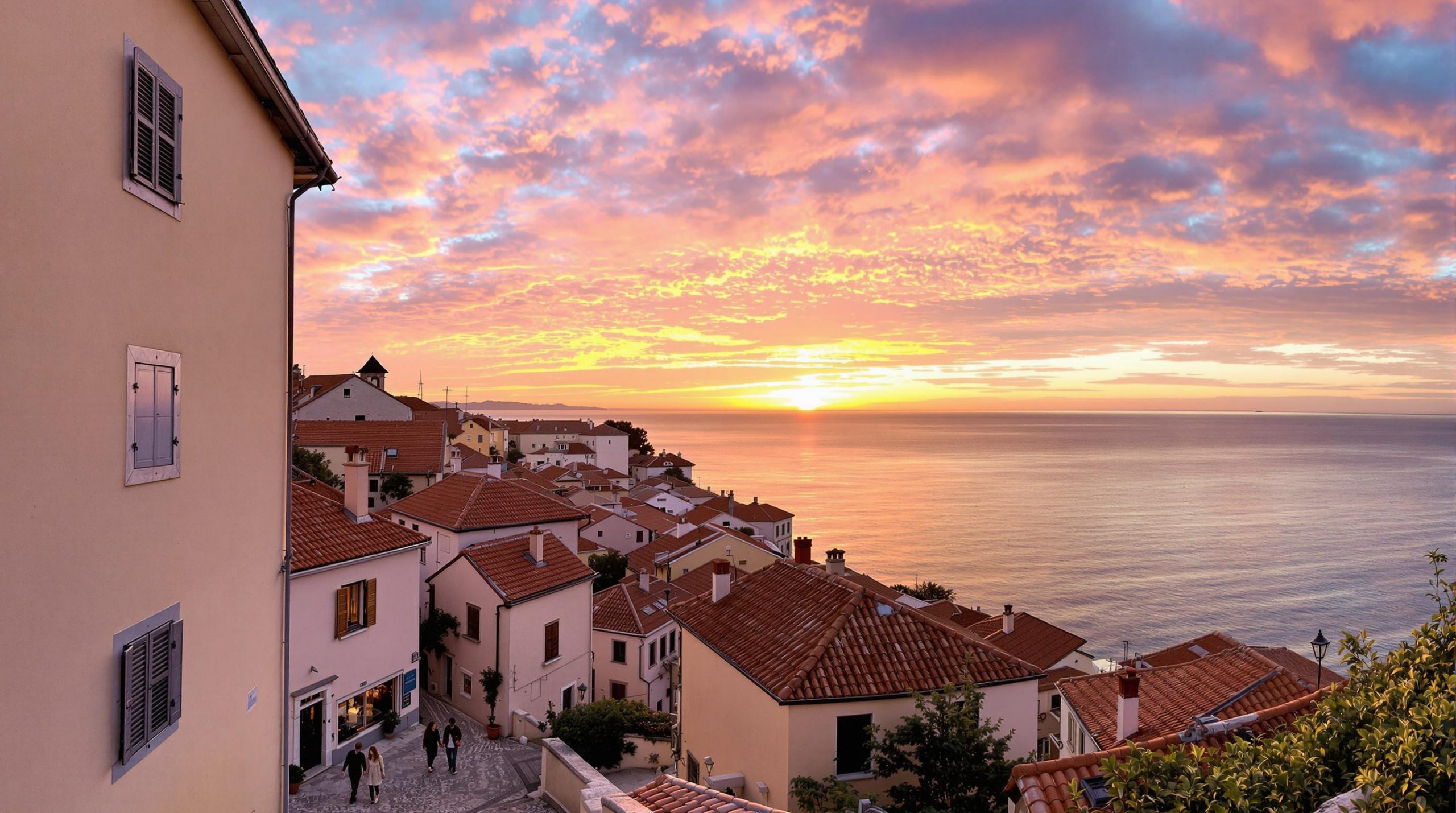
In Piran, the sea is everywhere: in the salty breeze, on the plates, in the accents of the locals. The port animates the heart of the city with its colorful fishing boats and early morning fish markets. Here, life revolves around the boats, swimming, and open-air cafes.
Few foreign travelers venture there. Those who do are rewarded with a simple and warm welcome, and discover the beauty of a Mediterranean that has remained authentic. Venetian architecture recalls the city’s rich history, as well as its past as a commercial and cultural crossroads. Italian influences are everywhere, from the language to the cuisine, but Slovenia also knows how to assert its own unique identity.
Piran: The Mediterranean experience in confidential mode
How can you enjoy Piran without encountering the summer crowds? The answer lies in the scale and the unique atmosphere of the place. Accommodations are small, restaurants focus on local produce, and the beaches remain peaceful, even in peak season.
- Boat trips to the secret coves of the coast
- Wine discoveries in neighboring vineyards
- Spa days to experience the Slovenian wellness tradition
- Fine craft shops, small galleries and creative workshops
The compact topography and lack of major tourist infrastructure give Piran a timeless charm. It’s the perfect choice for a romantic getaway, where every detail—down to the illuminated quays at night—seems ready to reveal a secret. Mediterranean Europe unfolds here, unfiltered and unadorned.
Across all these secluded locations, a shared philosophy of travel prevails: respect, curiosity, and daring. But why choose these lesser-known destinations over their ultra-famous neighbors?
Choose the lesser-known Europe: Authenticity, immersion and serenity guaranteed
Traveling off the beaten path in 2025 means opting for an authentic immersion, rich in sincere exchanges and surprising discoveries. These less frequented places cultivate a delicate balance between preserving traditions and welcoming respectful visitors.
- Untouched landscapes, carefully preserved from “over-tourism”
- Unique, personalized experiences away from the crowds
- A slower pace of life, conducive to contemplation and rejuvenation.
- More genuine, deeper human encounters
- Seekers of authenticity, history, adventure, or silence
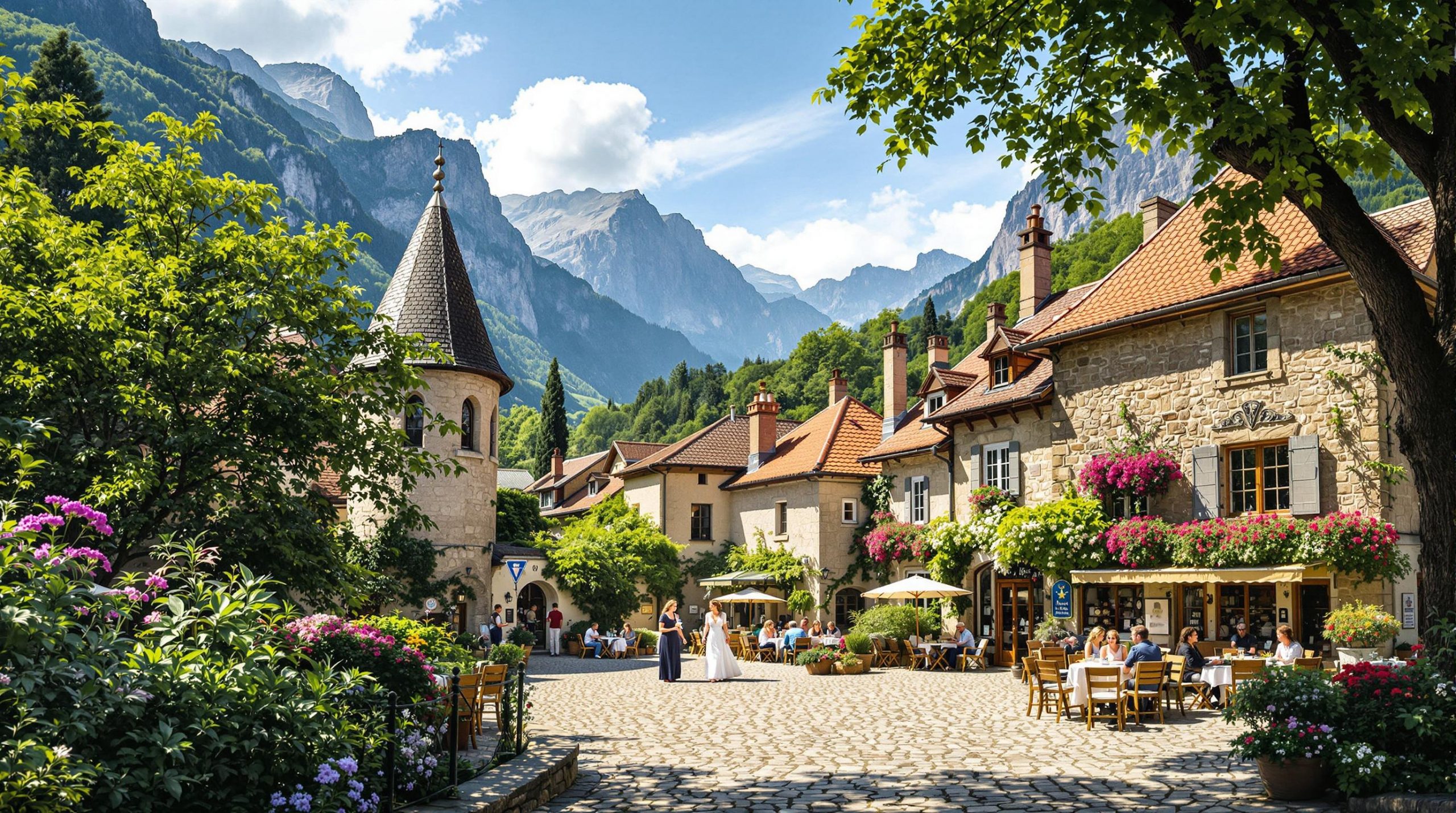
The trend towards “slow travel” is no coincidence: it responds to the overcrowding of certain destinations and the desire to reconnect with the essence of travel. Those accustomed to large cities like Florence, Prague, or Dubrovnik are also venturing into these hidden itineraries in search of new experiences.
The welcome in these forgotten places is anything but a tourist trap. Far from slogans and queues, you discover Europe on a human scale. Many travelers share the same observation: here, the generosity of the exchanges, the raw beauty of the landscapes, and the weight of history are undeniably present. It’s also a matter of ethics: choosing these destinations means contributing to the support of fragile local economies, while also reducing the pressure on overcrowded sites.
- Controlled visitor numbers, a choice of responsible tourism
- Respect for the inhabitants, their way of life, and their environment
- Sharing of traditions and little-known stories
- Growing awareness of the importance of heritage preservation
Whatever your profile – hiker, art lover, gourmet, architecture enthusiast, or simply someone who enjoys strolling – everyone will find their place in this discreet yet vibrant Europe. Taking the time to get lost here is to grant yourself the opportunity for a true journey, one that leaves a lasting impression far beyond the clichés.
Let’s move on to other, even more unusual gems to enrich your travel list: from forgotten archipelagos to coastal villages, every detour holds its share of surprises.
New, hidden European destinations to explore
While some places like Bled or Giethoorn are starting to gain recognition, other sites remain virtually unknown to the general public. Europe has as many secret places as it has languages or cultures, and discovering these gems requires initiative, a good dose of curiosity, and a willingness to go against the grain of conventional tourist practices.
- The Aeolian Islands, Italy: volcanoes, fishing villages and deserted coves
- Dinan, France: a well-preserved medieval Breton town with intact architecture
- Gjirokastër, Albania: Ottoman houses, virgin forests and a mythical castle
- Bojnice, Slovakia: fairytale castle, romantic gardens and village life
- Ísafjörður, Iceland: Nordic cultural hub, magnificent landscapes and a small population
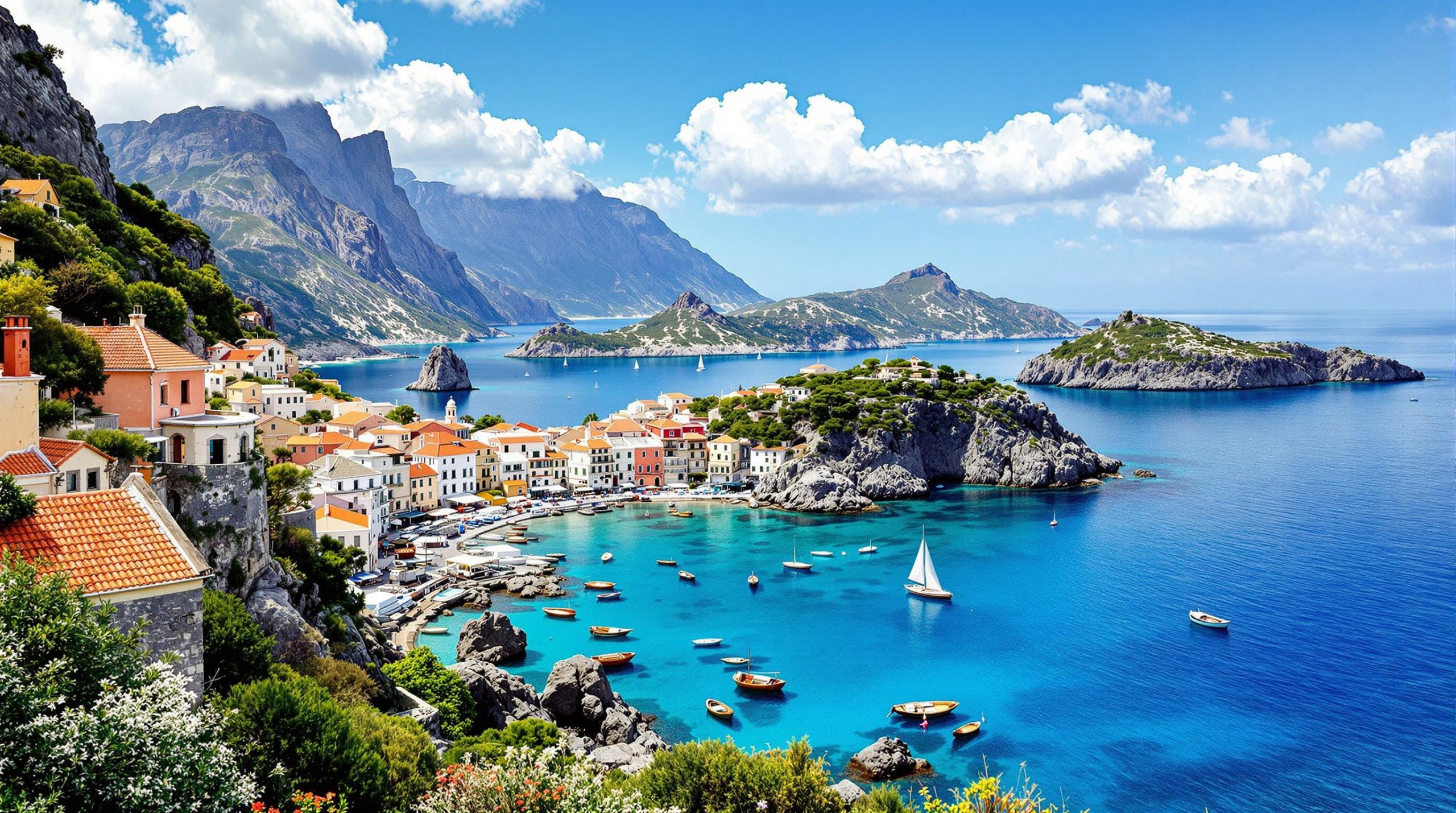
These new playgrounds appeal to seasoned explorers as much as families seeking to disconnect. The Aeolian Islands , for example, remain a paradise for hiking and diving, incomparable to the major Italian tourist routes. Some French villages, like Dinan, embrace a slower pace of life, with medieval markets and the banks of the Rance River bathed in pastel hues.
Further east, Albania and Slovakia boast cities steeped in legend, where architecture and nature form an inseparable whole. One thinks of the history of Gjirokastër , renowned for its slate roofs and multi-purpose houses, or Bojnice , whose castle delights both fairy tale enthusiasts and photographers. Iceland, always at the forefront of environmental issues, cannot be overlooked: the town of Ísafjörður , with its festivals and otherworldly landscapes, embodies this new wave of alternative tourism.
Practical tips for exploring these hidden gems
- Consult local tourist offices and prioritize native guides.
- Opt for sustainable modes of transport (train, boat, bicycle) for minimal impact
- Integrating into local life (markets, festivals, craft workshops)
- Check the off-peak seasons for an optimal experience.
In every season, these destinations promise memorable adventures. To create truly unique memories, there’s nothing like venturing off the beaten path of typical European tourism. Adventure is often just a few kilometers away from the well-trodden route everyone takes without a second thought.
And for those who are still hesitant in front of the vast European catalogue, there remains a multitude of other little-known alternatives… A final detour is necessary through the Balkans, the Baltic or the confines of Northern Europe.


